
Thirty-Minute Delivery Is an Operating Model, Not a Stopwatch
Fast delivery succeeds when assortment, inventory, picking, dispatch, and exception handling work as one system—not when every order is simply rushed.
ARTICLES · STORIES · PERSPECTIVES
Personal opinions, work experiences, life lessons, technology, and everything I encounter along the way.
Written by Agus Setio Budi · Jakarta, IndonesiaFEATURED STORY
Fast delivery succeeds when assortment, inventory, picking, dispatch, and exception handling work as one system—not when every order is simply rushed.
EDITORIAL FOCUS
Experiences in operations, business analysis, product development, and digital transformation.
Life lessons, decisions, failures, and simple moments that shape a way of thinking.
Practical perspectives on technology, AI, applications, and the changing way we work.
Opinions, journeys, culinary experiences, and everyday stories worth telling.
TWO EDITORIAL LENSES
English perspectives on business analysis, product thinking, enterprise delivery and operational transformation for a global professional audience.
Indonesian-language writing grounded in local operations, workplace realities and practical digital change.
ALL ARTICLES

Reliable battery-health data can strengthen safety, resale value, maintenance, and trust—if teams design the full data lifecycle, not only a dashboard.

As AI costs become variable and agentic, teams need product-level attribution, guardrails, and outcome metrics—not just smaller invoices.

Enterprise AI resilience depends on portable data, explicit policy boundaries, tested fallbacks, and commercial terms—not faith in one provider.

AI changes the speed and scale of cyber risk. Resilient organisations design defence as an owned, measurable, continuously tested workflow.

Cross-border QR growth shows that great digital products depend on interoperability, trust, exception handling, and invisible operational design.
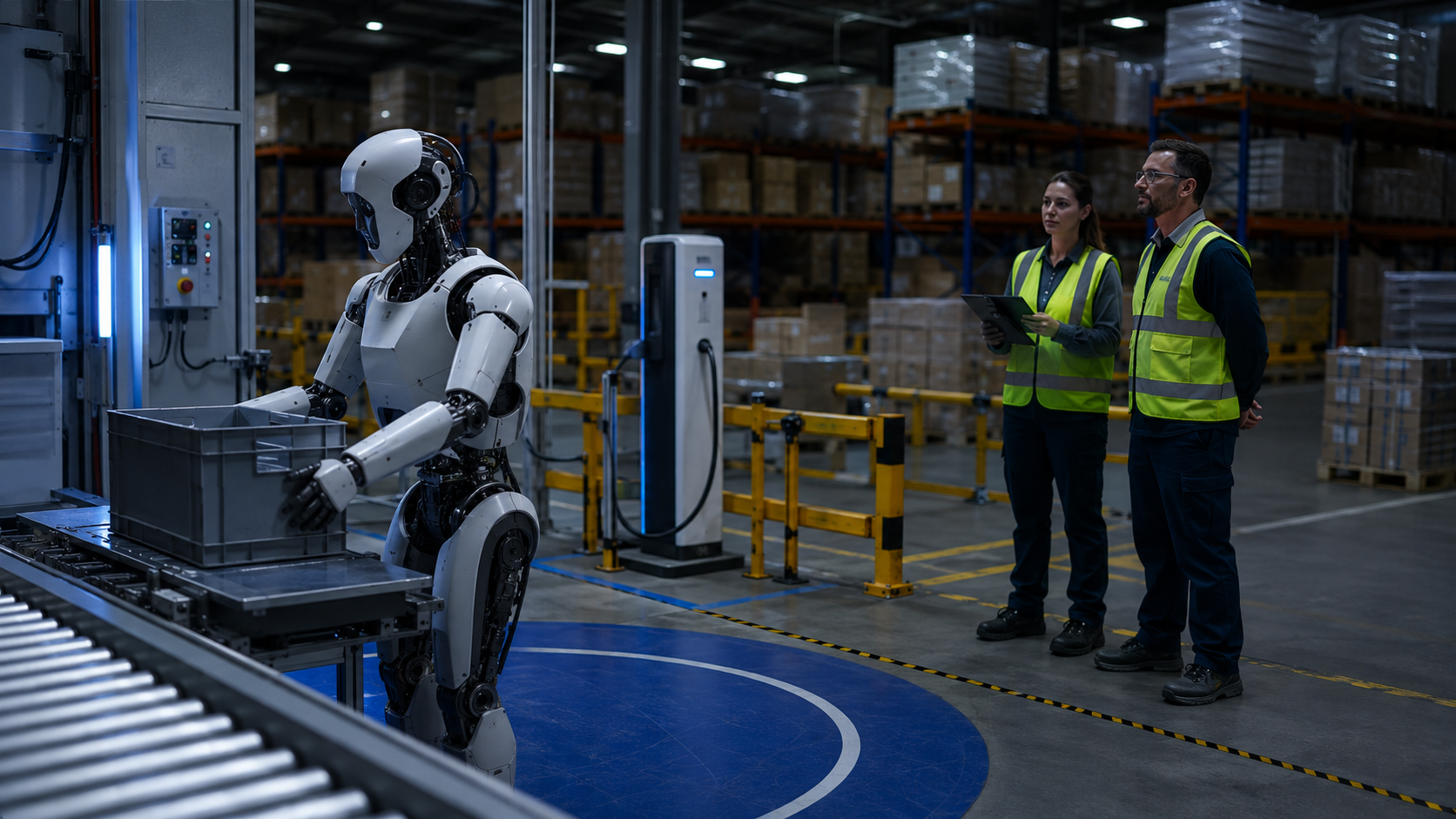
Humanoid robots attract capital and attention, but warehouse adoption depends on safety, throughput, integration, and economics.

AI agents can execute enterprise work, but value depends on process clarity, controls, evidence, and accountable human review.